Preservation means protecting infromation and objects so they can survive over time and still be used in the future. It can apply to paper documents, photographs, booksm film, audio recordings, and digital files like PDFs, scanded images, and even emails. The goal of preservation is not just "save" something and just storage it. It is to make sure it is stable and understanable for the now and for the future. Preservaiton includes choosing safe stroage, preventing damage, and creating rules for handling and acess. It also includes planning for risks like water damage, mold, heat, light, pests, and general careless handling. For digital items, preservation includes protecting files from corruptio, loss, and outdated formats. It is different from simply collecting because it foucses on long-term care and management. When preservation is done well, history is not lost to accidents, neglect, or to the ever changing technology.
Why Preservation Matters to Communites
Preserving history is protecting the community memory and it helps people understand where they come from. When records are lost, it can become harder for communities to tell their own stories accurately. Preserved materials can support identity,pride, and connection across generations. It also helps correct any misinfromation because the primary soruces allow peopke to verify what had actually had happened. History does not always have to be big national events. Within community history, it includes, local schools, famlies, clubs, newspapers, and everyday life. When those items disappear, the smaller voices often disappear first. Preservation also supports accoutability, because records can show how decisions were made and who was affected. It can help researchers, students, and community members answer questiosn with evidence. In that way, preservation is not just about the past, it about supporing truth and learning today.
Preservation Toolkit
These tools and strategies support long-term care by helping archivisits protect materials,reduce damage, and improve access.
Condition Checks
Regualr inspections help archives notice mold, tears, fading, and brittle paper before the damage becomes severe.
Access Copies
Using digital access copies allows researchers to view items without repeatedly handling fragile originals.
File Organization
Clear file names and folder structures make digital collections easier to manage and easier for others to understand.
Environmental Monitoring
Watching temperature, humidity, and light exposure helps slow deteroration in phsyical collections.
Documentation
Polices, labels, and notes record what materials are, how they were handled, and what preservation steps were taken over time.
What Happens When Things Are Not Preserved
When preservation is ignored, important materials can be damaged permanently or lost without anyone noticing. Paper can become brittle, ink can fade, and photgraphs can stick to the frame or discolor. Water damage can cause wraping and mold, and once the mold spreads it can destory large collection quickly. Light and heat can break down materials slowly, which means the damage can happen even when the condition of the material looks normal. In in this digital age we now face bigger danger, as technology is rapidly chaning. For the digital files, the danger is often invisible, such as corrupted files, borken links, or drives that fail. Anotehr proble is "format obsolescence," where old files cannot be opened because softwate and hardware change. Sometimes collections are thrown awat during moves or staff changes because no one knows their value. Even when items survive, missing context can make them hard to interpret. Presercation prevents these problems by treating materials as fragile and valuable, not replaceable.
Preserving Physical Materials
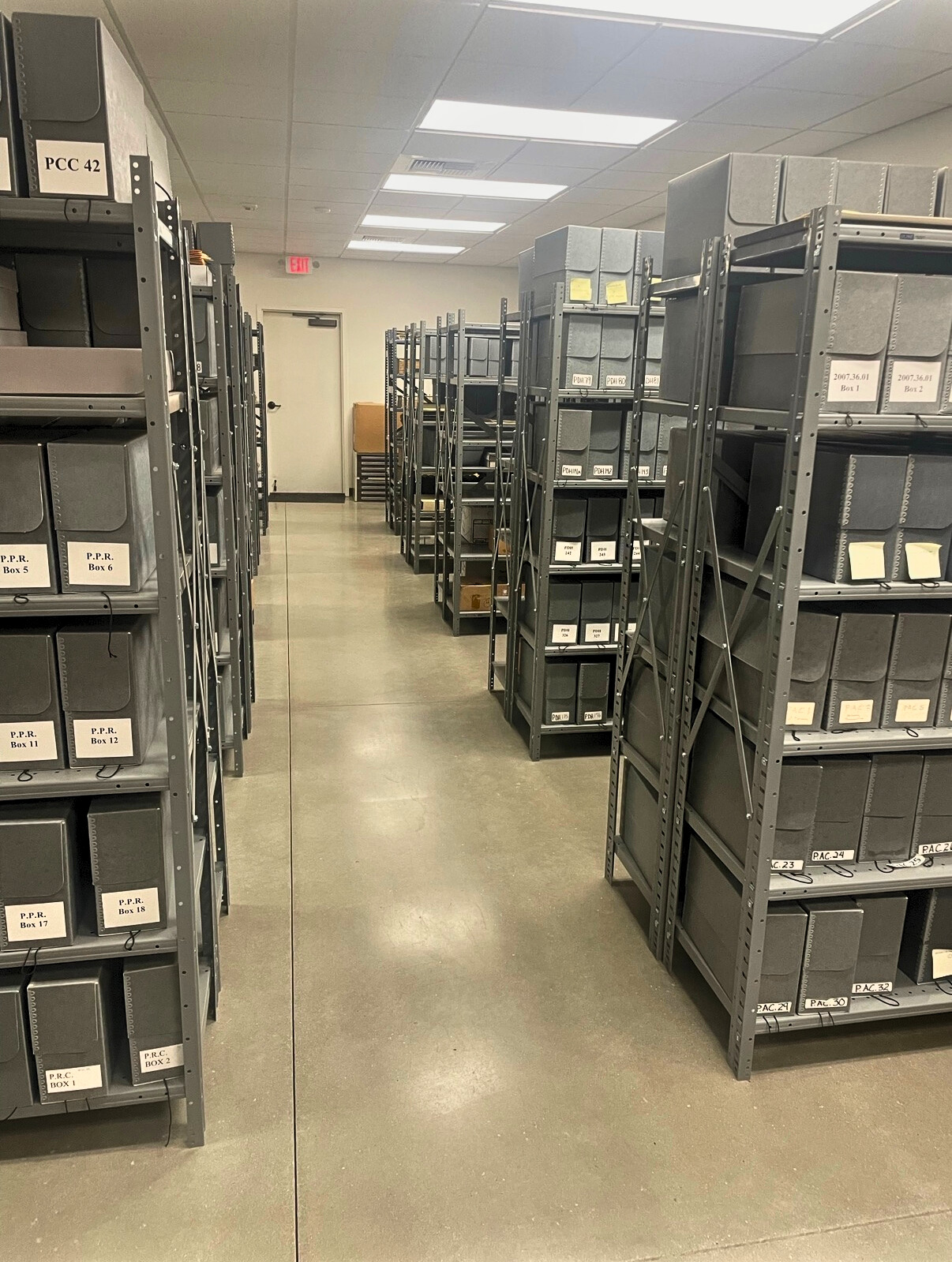
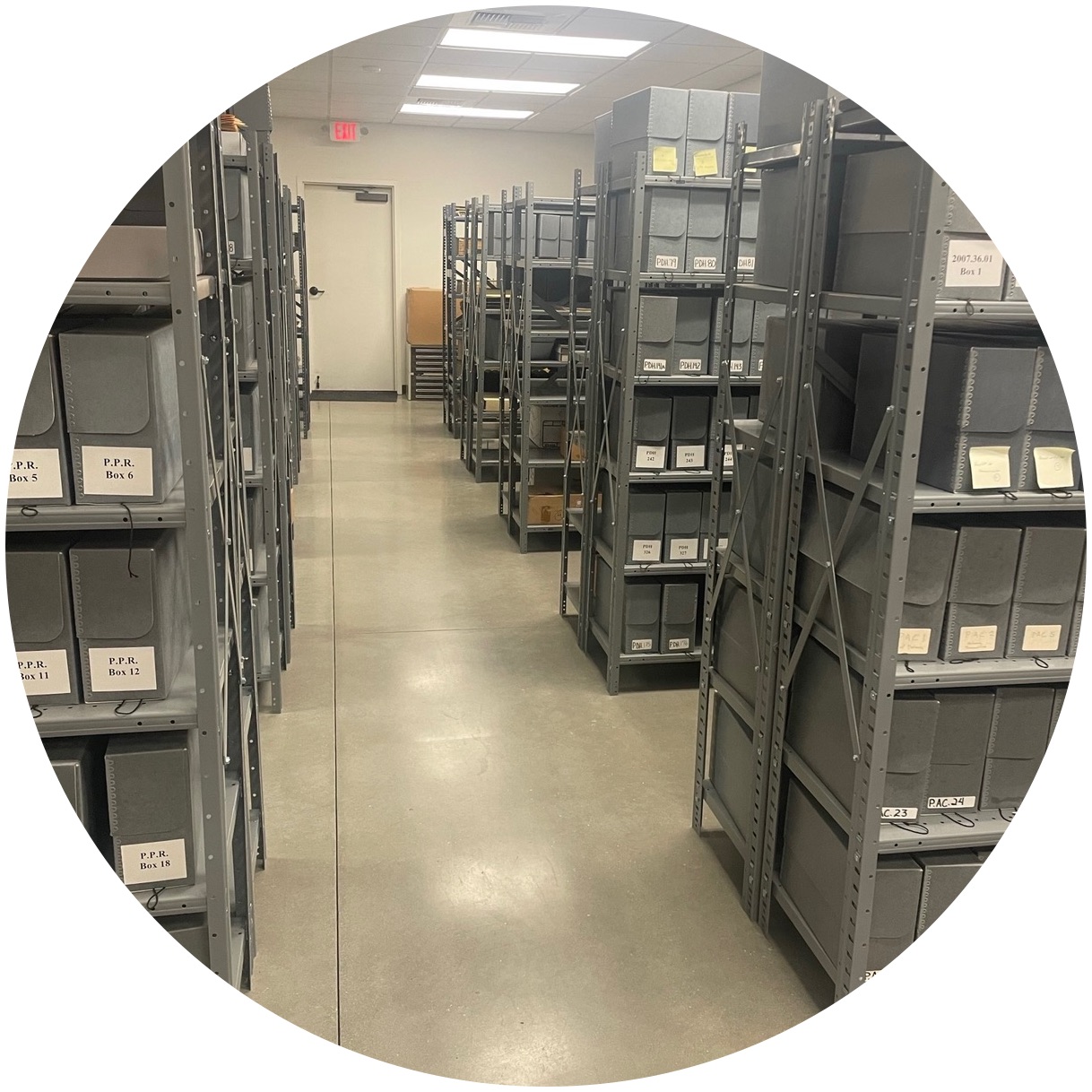
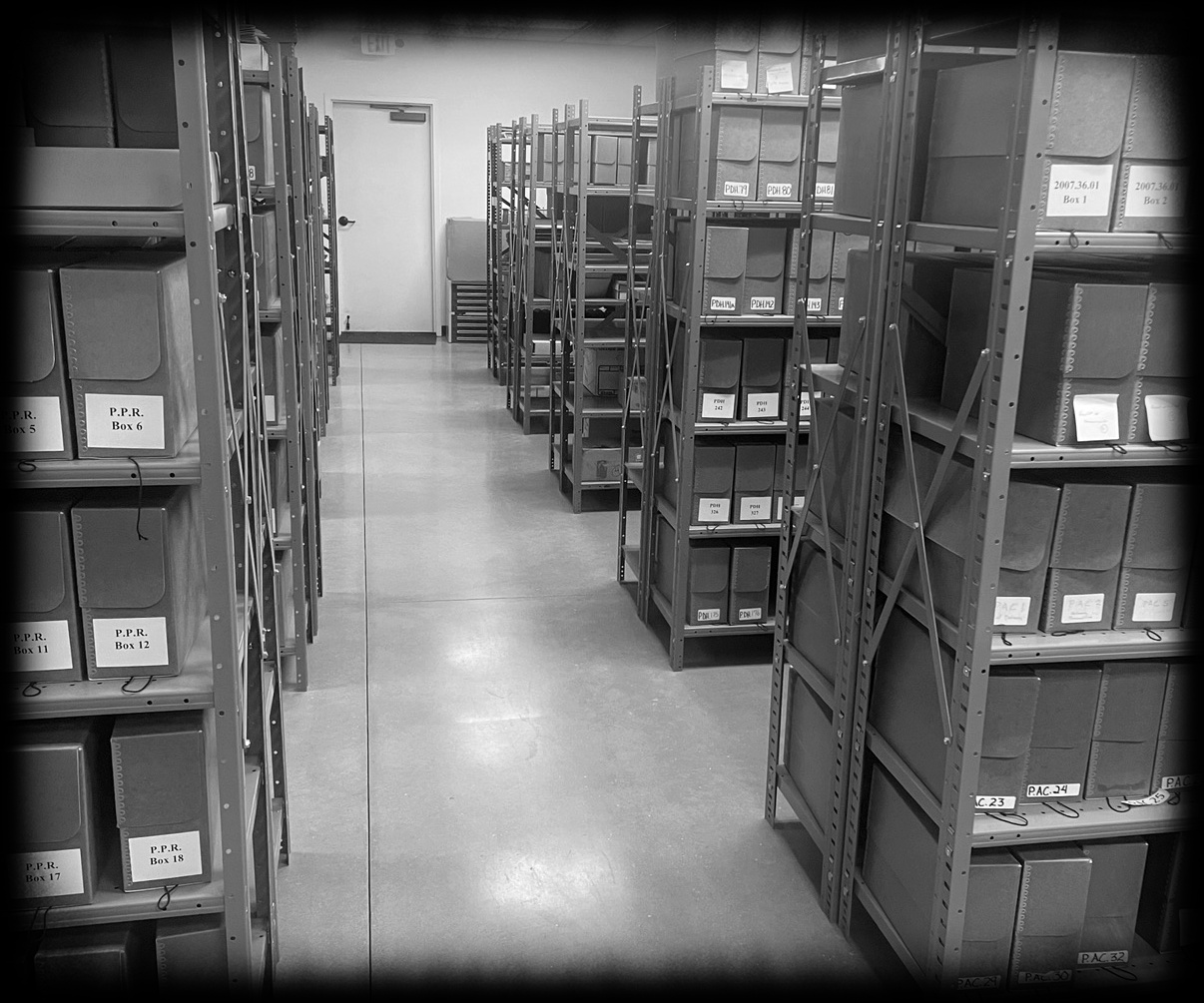
Physical preservation focuses on stable environments and careful handling. Temperatire and humidity conrotls are important, since moisture and heat can speed up the decay. Using archival quality boxes and folders helps protect itmes form acids that cause yellowing and brittleness. Good storage also includes keeping items away from the sunlight, food, and pests. Handling matters because oils and pressure from hands can damage paper and photographs over time. Sometimes presevation involces basic repair, but many institutions avoid heavy repairs unless done by trained conservators. Another key part is organization, because materials that are stored randomly are more likey to be lost or mishandled. Labeling and basic description can help people find items without digging through everything. Physical preservation is often about preventing damage before it happens, because preservation is usually cheaper and safer tgab restoration.
Preserving Digital Materials
Digital preservation focuses on keeping files usable, authentic, and safe even as technology changes. One basic strategy is to keep multiple copies in different places, because a single copy is never enough. Institutions often follow the idea of at least three copies, stored in more than one location, to reduce the risk of total loss. Another strategy is using stable file formats, like PDF/A for documents or TIFF for images, so that files can still be opened in the future. Digital preservation also includes organizing files with clear names and folder structures so people can understand what they are. Regualr checks are important because files can silently corrupt over time. Metadata is also critical, as it records what a file is, when it was made, and why it matters. Security matters too, because digital files can be accidentally deleted or altered. Digital Preservation is not one action; it is ongoing process of stroage, monitoring, and planning.
Digital Preservation File Guide
Material Type
Recommended Format
Preservation Need
Photographs
TIFF
High-quality master copy
JPEG
Access copy for quick viewing
Documents
PDF/A
Long-term readable version
DOCX
Editable working copy
Audio
WAV is oftern prefeered for preservation becasue it keeps higher quality sound.
This document presents the Digital Preservation Policy for Bakersfield College Archives, outlining strategies for long-term access of digital materials.
Steps in a Basic Preservation Workflow
Assess the condition of the material
Create a digital copy
Organize files and folders
Use clear file names
Group related materials together
Keep master and access copies separate
Add labels or metadata
Store copies in more than one place
Digitization: Helpful, But Not the same as Preservation
Digitization means creating a gitial copy of a physical item, like scanning a newspaper or photographing an artifact. Digitization is helpful because it can increase access and reduce handling of fragile originals. However, digitization alone is not preervation because digital files can also be lost or become unreadble. If a scan is saved only one computer, it can disappear just as easily as paper. Digitization also requires good quality standards, such as reslutio, color accuracy, and file formats, so that the digital copy is actually useful. Another issue is that digitzed items still need good description so people can search and understand what they are seeing. The original physical item often still needs care even after scanning. Digitization works best when it is paired with a long-term plan for storage, backups, and file management. In other words, digitzation is a tool that supports preservation, but it not replace it.
Four Practical Preservation Habits
Store important items in stable condtions away from heat, light, and moisture.
Use protective enclosures like folders, sleeves, or boxes, that are safe for long term storage.
For digital files, keep multiple backups in different locations and chem them occasionally.
Write basic labels or notes so future you knows what the item is and why it matters.
Learn More About Preservation
If you want a reliable introduction to preservation basics, the Library of Congress has helpful guides about caring for collections. Here is the link: Library of Congress: Preservation